
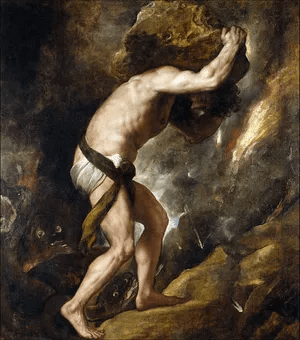
It was a cold November evening, and I was walking back to my dorm after class, my breath visible beneath dim campus lights. My mind was crowded with deadlines, readings, projects, and exams—the familiar weight of academic striving. As I walked, a simple question cut through the noise: who was I doing all of this for? That question, more than the workload itself, exposed the deeper restlessness beneath my exhaustion.
The what of my life as a student was clear enough. I was here to stretch my mind, wrestle with difficult ideas, learn skills that might someday translate into a professional career. The why also felt straightforward: to prepare for a future where I could serve faithfully, contribute thoughtfully, and live responsibly. But the question of who I was doing this for was harder to answer.
As a Christian, the answer seemed obvious. I told myself, almost reflexively, that I was studying and working for Jesus. Yet as I hurried back to my dorm that night—anxious to finish a project and squeeze in more studying—I knew that answer rang hollow. In practice, I was working for myself. I was striving toward an image: competent, successful, impressive, spiritually faithful, and professionally secure. Even my desire to serve God had quietly become part of a self-constructed résumé of worth.
That realization explained why I felt burned out before the week even began. Why my academic, personal, and spiritual commitments felt like competing forces rather than integrated callings. Why I lived with the constant sense that everything depended on me—on my discipline, my planning, my effort. Beneath it all was a subtle conviction that if I just worked harder, stayed more disciplined, and pushed a little further, I could hold everything together.
Psalm 46:10 spoke into that mental frame with absolute clarity: “Cease striving and know that I am God; I will be exalted among the nations, I will be exalted in the earth” (NASB 1995).
The command was not first to know, but to cease. To stop proving, stop living as though God’s sovereignty depended on my exhaustion. My striving had not been an expression of faithfulness; it had been an expression of fear and faithlessness—that if I stopped striving, I would fall behind, fail, or lose control.
Isaiah 30:15 presses the same truth even deeper: “For thus the Lord God, the Holy One of Israel, has said, ‘In repentance and rest you will be saved, In quietness and trust is your strength.’ But you were not willing” (NASB 1995).
Strength, Scripture insists, is not found in frantic motion or relentless productivity. It is found in repentance—a turning away from self-reliance—and in rest. Quietness and trust, not hustle and control, are the sources of real strength.
This call to quietness is practiced in what Scripture describes as the “secret place” of prayer. Jesus’ instruction to withdraw, close the door, and pray to the Father who sees in secret reframes prayer not as performance, productivity, or problem-solving, but as presence. In the secret place, striving has nowhere to hide. There are no grades to earn, no image to curate, no urgency to justify our worth.
Silence before God exposes how often prayer becomes another task to manage rather than a place to rest. Yet it is in quiet unhurried prayer, without agendas and expectations, that trust is relearned.
Quietness in prayer trains the heart to stop grasping for control and to receive God’s sufficiency as a gift, not an achievement. What feels inefficient to the anxious soul becomes, over time, the very ground where strength is restored.
For students, this message cuts directly against the grain of our academic culture. We are trained to measure our value by output, by performance, by how well we manage pressure. Rest feels irresponsible. Slowing down feels like falling behind. Trusting God with our time, our future, and our limitations feels risky when everything around us tells us that success must be earned through constant effort. Yet Scripture insists that salvation itself—not just eternal salvation, but daily deliverance from anxiety and self-made identity—comes through rest in God, not striving apart from Him.
Ceasing to strive does not mean abandoning diligence, neglecting responsibilities, or lowering standards. It means reordering the heart. It means studying without believing that grades define our worth, planning without believing that the future rests entirely on our foresight, and working hard without believing that God loves us more when we perform better. For students, this looks like setting boundaries that honor rest, praying before productivity, receiving limitations as reminders of dependence rather than failures, and allowing silence with God to interrupt the noise of constant evaluation.
That November evening marked a quiet resolution for me—not to stop working, but to stop redeeming myself through work. To rest in my Redeemer is to let Christ carry the weight I was never meant to bear. It is to trust that obedience matters more than outcomes, faithfulness more than image, and God’s sovereignty more than my control.
As students, we are called not merely to strive for excellence, but to rest in the One who already holds our lives, our futures, and our worth secure. When we cease striving, we do not lose purpose; we finally recover it, slowly and imperfectly learning to know that He is God.
 Penn Epistle