
This year, we’re collaborating with writers across the Augustine Collective, a network of student-led Christian journals, to bring you a series of short devotional articles during this season of Advent, the season of anticipation leading up to Christmas. Find this series also published by Cornell Claritas.
by Deborah Aderibigbe, Cornell University
“Bear fruit in keeping with repentance” – Matthew 3:8
“Tempus fugit” is a Latin phrase that is equivalent to saying ‘time flies’ in the modern day.
In the verse above, John the Baptist is speaking to Sadducees and Pharisees who came to him to be baptized. Known for their hypocrisy, the Sadducees and Pharisees were concerned with their appearances wanting to be perceived as holy. They were outwardly religious, ceremonial, and followed respectful customs. They sought baptism out of self-interest.
John, knowing this, reminded them that it is not only baptism that matters, but the posture of their hearts as well. If they were to be baptized, it had to be a symbol of an internal transformation in their hearts that had already begun.
Feeling obligated to meet a standard of holiness they perceived, they strove for justification that they could never achieve by their own merit. The water of baptism alone could not clean the mud of their hearts.
But what even is holiness, really? How ought Christians live in relation to it, and what does it have to do with us bearing fruit? To be holy means to be “set apart”—to be separate as blameless and good. In order to stand before Christ, who is perfectly Holy, we too must be completely holy. Our actions have to reflect God, and that is a large calling. We have to be kind, we have to love, and we have to have patience.
“Be perfect, therefore, as your heavenly Father is perfect.” – Matthew 5:48
We are often quick to judge the Sadducees and Pharisees, as well as people we observe acting out of self-interest in our day-to-day lives—those always looking out for themselves, not seeming to care about anyone else around. Maybe these people are always looking to seize every opportunity to speak, to be seen, or to ‘lead’ (though, Jesus shows us that true leadership stems from humility). But even if in self-interest, they continued truly striving to be perfect. At the very least, that’s definitely what some of the Pharisees thought. They maintained their image because they felt they had to. They had to be perfect, which Scripture does, in fact, call us to do.
“Again I tell you, it is easier for a camel to go through the eye of a needle than for someone who is rich to enter the kingdom of God.” – Matthew 19:24
Let’s pause. What did Matthew 19:24 just say? It’s easier for something we know is impossible to happen than for some of the most admired people in society to go to heaven? This teaching contradicts what we might at first believe. Don’t we often picture those who are high in society as those we might see in Heaven? Those who seem to have it all figured out?
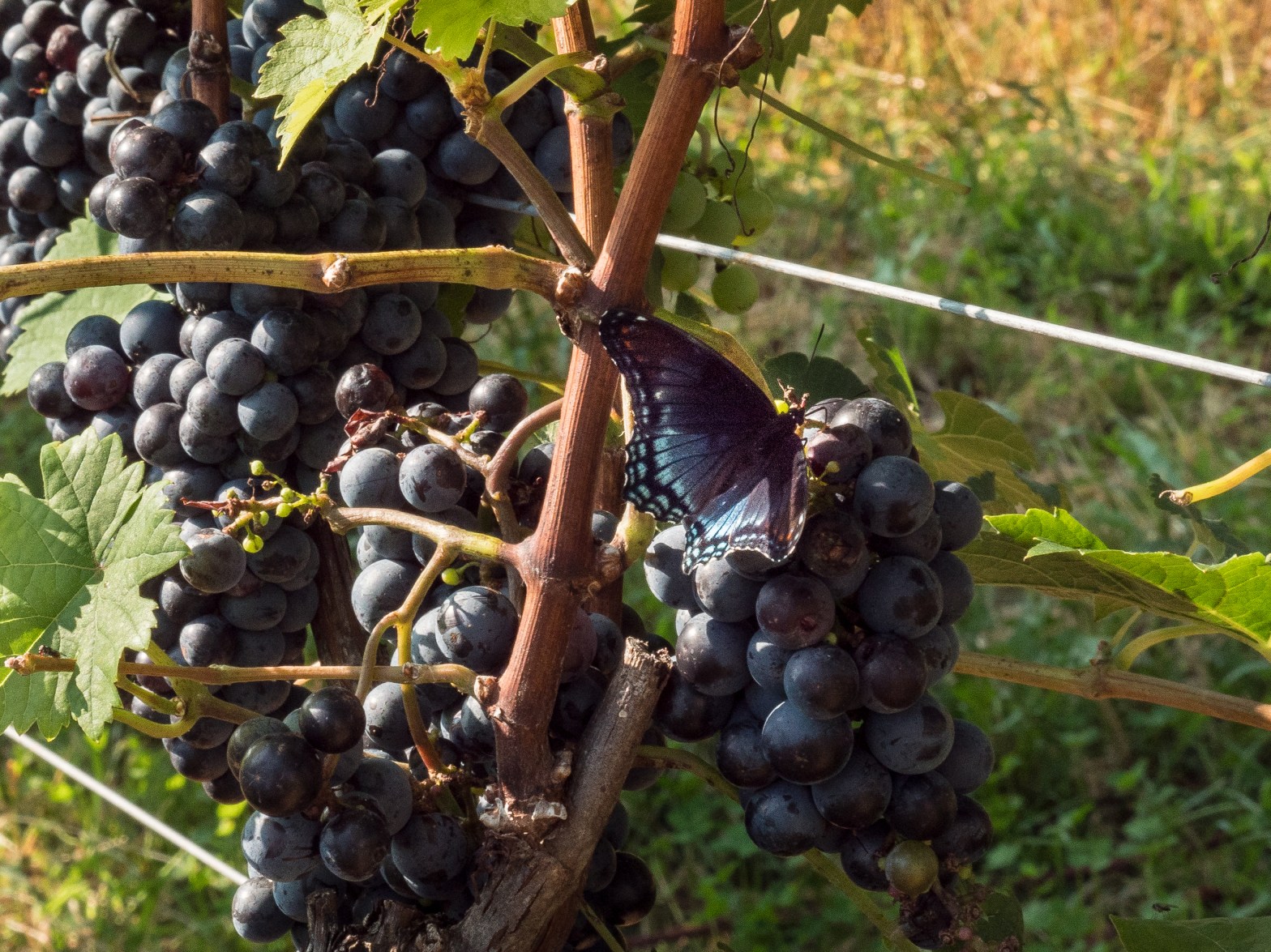
The Pharisees and Sadducees were concerned with their worldly wealth yet they lacked spiritual depth. In contrast, Christians who have been justified by Christ don’t have to consciously make the decision to appear like they are good. Good fruit instead naturally flows out of those who are genuinely connected to the all-giving Vine, Christ.
“I am the vine; you are the branches. Whoever abides in me and I in him, he it is that bears much fruit, for apart from me you can do nothing.” – John 15:5
When we focus on appearing perfect and achieving righteousness by our own merit, putting ourselves on a pedestal for the world to see our goodness, we fall into the same trap the Pharisees did. The issue with the rich that Jesus was pointing out occurs with people that are attached to their riches, concerned with keeping what they have rather than surrendering what they have to God. That’s the distinction between Godly wealth and worldly wealth: the riches of Christ don’t come from hard work but from surrender–and if we’re all too concerned with riches than Christ Himself, we miss His gifts completely.
The holiness the Pharisees boasted is found in Christ alone, and the perfection we’re called to is in His arms. Like how a tree bears fruit only if it’s kept well, we naturally produce holy actions if we keep in our Lord. The Christian life is not about constantly maintaining our image, rather, it’s about embracing our insufficiency and turning to Christ, whose image is magnified in us. However, that means we ought to repent from our desire to maintain our own image apart from Christ. If we don’t, we are no better than the Pharisees and Sadducees. At that point, we’re becoming just like those Scripture warns us against.
Even those who we look up to most in society have no advantage above us in this: meeting God’s standard is as impossible for the rich as it is for any of us. However, there’s good news:
Jesus looked at them and said, “With man this is impossible, but with God all things are possible.” – Matthew 19:26
When we depend on the Lord, the things we once could never do become achievable. We have been graciously given all we need to be truly perfect… so get to it! Be kind, love, and give any amount of patience you have. We have limited time on Earth, but God has put each and every one of us strategically in a place where we can bear fruit. So now is the time, and today is the day. Remember: tempus fugit.
Deborah Aderibigbe is a freshman at Cornell University studying chemical engineering.
 Penn Epistle